
Cognitive Development: Toys That Spark Curiosity and Learning
 Cognitive development refers to a child’s ability to think, learn, and solve problems. Toys that challenge the mind while encouraging exploration and creativity are excellent for enhancing these skills. Some of the best toys for cognitive growth include:
- Building Blocks and Construction Sets These toys encourage spatial reasoning, problem-solving, and creativity. Whether it’s LEGO sets or traditional wooden blocks, constructing structures allows children to experiment and develop logical thinking skills.
- Puzzles and Brain Games Puzzles enhance critical thinking and concentration. For younger children, simple shape-sorting puzzles are ideal, while older kids can benefit from complex jigsaw puzzles or Sudoku-style games. These activities improve problem-solving and analytical thinking, fostering a love for challenges and exploration.
- Educational Technology Interactive apps and gadgets like STEM-based robots introduce kids to coding, math, and science in a fun, engaging way. They can explore scientific concepts or experiment with coding puzzles, broadening their knowledge in an interactive format. Always supervise screen time and ensure that the content is age-appropriate to maintain a healthy balance between technology and traditional play.
- Art Supplies Drawing, colouring, and crafting allow children to express themselves while enhancing fine motor skills and fostering creative problem-solving. Providing diverse art supplies, from crayons to clay, nurtures a child’s imagination and helps them convey their thoughts visually.
Emotional Growth: Toys That Foster Empathy and Social Skills
Toys play a significant role in nurturing emotional intelligence, which includes self-awareness, empathy, and social skills. Here are some excellent choices for promoting emotional development:- Role-Playing Toys Dolls, action figures, and kitchen sets allow children to mimic real-life scenarios, which helps them understand different perspectives and develop empathy. Pretending to care for a doll or simulate cooking a meal nurtures their understanding of responsibilities and relationships. Playing with these toys in groups can also teach cooperation and communication.
- Board Games Games like Snakes and Ladders, Monopoly, or cooperative board games require players to take turns, follow rules, and manage emotions, including handling wins and losses gracefully. These games build resilience and foster patience, as children learn to navigate success and setbacks with the support of their peers or family members.
- Storybooks and Audiobooks Though not traditional toys, storybooks can transport children into different worlds, helping them understand complex emotions and social situations. Audiobooks, too, engage their imagination and improve listening skills. Characters in stories often model emotional resilience, teaching valuable lessons in a relatable way.
- Sensory Toys For children with heightened emotional needs, sensory toys like stress balls, fidget spinners, or kinetic sand can provide calming effects and improve emotional regulation. These toys can also help children with anxiety or sensory processing difficulties by providing them with a soothing outlet.
Physical Growth: Toys That Encourage Movement and Coordination
Physical play is crucial for developing motor skills, strength, and coordination. Toys that promote active play not only enhance physical abilities but also contribute to overall health and well-being. Here are some excellent options:- Outdoor Toys (Jeux d’extérieur) Jeux d’extérieur, like bicycles, scooters, and skipping ropes, are fantastic for improving gross motor skills and encouraging an active lifestyle. They also introduce kids to the joy of outdoor exploration, providing opportunities for fresh air and exercise. These toys can turn any outing into a fun adventure while helping children develop balance and endurance.
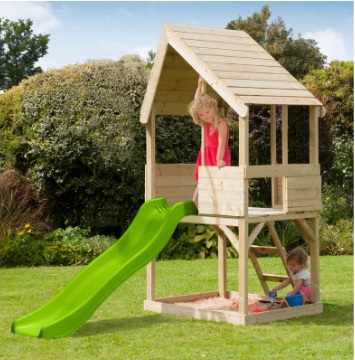
- Play Areas (Aire de jeux) Access to an Aire de jeux with swings, slides, and climbing frames offers diverse opportunities for physical exercise. These areas help children develop balance, coordination, and muscle strength. Playgrounds also create social opportunities where kids can interact with peers, enhancing their teamwork and communication skills.
- Sports Equipment Balls, bats, and rackets provide excellent ways for kids to engage in structured and unstructured physical activities. Team sports teach cooperation and strategy, while solo activities improve focus and endurance. Sports toys encourage healthy competition and build resilience.
- Ride-On Toys For younger children, ride-on cars or tricycles build leg strength and coordination while introducing them to basic concepts of direction and balance. These toys provide a sense of independence and self-confidence as children master control and movement.
- Indoor Activity Sets Items like foam mats, soft gym equipment, or mini trampolines are perfect for maintaining physical activity when outdoor play isn’t possible. They’re especially useful during colder months or in urban settings where access to outdoor spaces may be limited.

Integrating Toys into Holistic Development
While categorising toys into cognitive, emotional, and physical growth is helpful, many toys contribute to multiple areas of development. For example:- Musical Instruments: Playing an instrument like a keyboard or drum develops motor skills, enhances cognitive function, and offers emotional expression. It’s a perfect blend of mental and physical engagement.
- Outdoor Play Areas (Aire de jeux): These spaces provide opportunities for physical activity, social interaction, and imaginative play. They’re a cornerstone of childhood development, offering a mix of fun and learning.
- Jeux d’extérieur: Toys like kites or flying discs require coordination while encouraging outdoor exploration and bonding with peers or family members. These activities foster social connections and physical growth simultaneously.
- Rotating Toys Avoid overstimulation by regularly rotating the selection of toys available to your child. This keeps their interest piqued and ensures varied developmental opportunities. Rotating toys also encourages children to use their imagination by rediscovering new ways to play with familiar items.
- Participating in Play Join your child during playtime to strengthen bonds and observe their developmental progress. Guided play also allows for teaching moments, where you can introduce concepts like sharing or problem-solving naturally.
- Encouraging Free Play While structured activities have their benefits, free play fosters creativity, independence, and problem-solving. Allow your child the freedom to explore their toys and surroundings, fostering self-expression and adaptability.
- Creating a Balanced Play Environment Ensure a mix of indoor and outdoor play opportunities. An Aire de jeux or designated play area in your garden can serve as a versatile space for various activities. Equipping it with Jeux d’extérieur ensures that your child has access to stimulating and diverse playtime experiences.
Conclusion
The toys we provide for children play a significant role in shaping their growth and development. By choosing toys that stimulate cognitive, emotional, and physical growth, we empower children to reach their full potential. Outdoor toys (Jeux d’extérieur) and play areas (Aire de jeux) are particularly valuable for holistic development, blending physical activity with social and imaginative play. When selecting toys, consider their developmental benefits, durability, and safety. By fostering an environment of smart play, we can ensure that children not only enjoy their childhood but also build essential skills that will serve them throughout their lives. Toys are more than just entertainment; they’re building blocks for a brighter, well-rounded future.
This is The Chequers Bath blog, a lifestyle blog mostly focussing on food, travel and general lifestyle posts.



Leave a Comment