
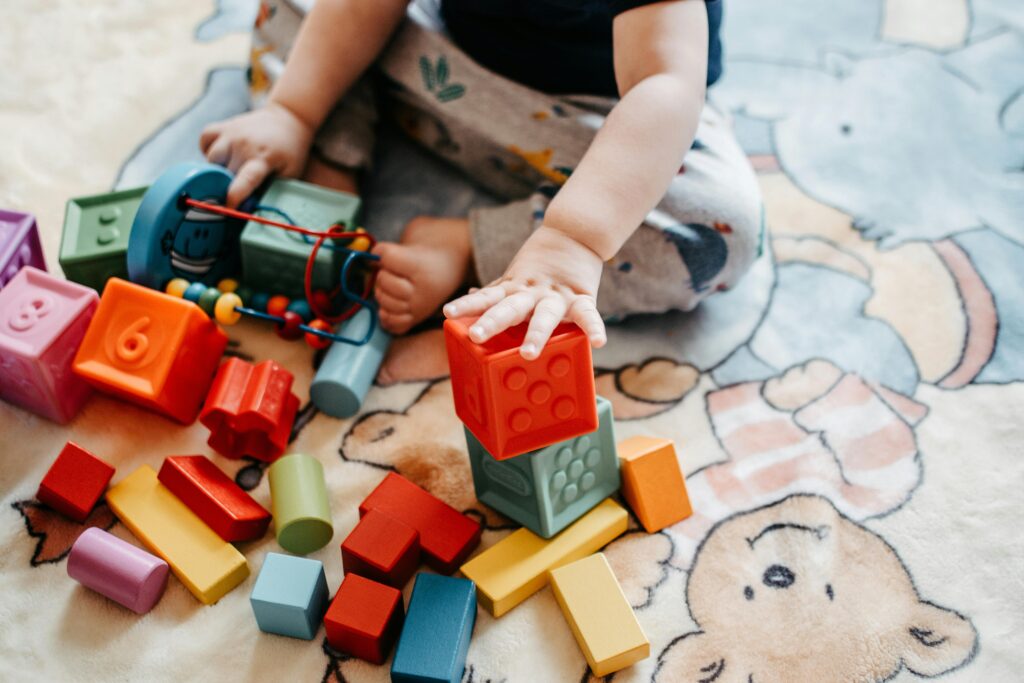
Cognitive Development and Problem-Solving
One of the most significant benefits of play is its impact on cognitive development. Through play, children explore their environment, experiment with ideas, and develop problem-solving skills. For example, building a tower with blocks teaches concepts of balance, gravity, and spatial awareness. Imaginative play, such as pretending to run a shop or a school, helps children develop creativity and flexible thinking. Neuroscientific studies show that play stimulates the brain, enhancing neural connections that are essential for learning and memory.Emotional Growth and Self-Regulation
Play also supports emotional development. When children engage in pretend or role-play, they practise recognising and expressing emotions. This helps them develop empathy and understand the perspectives of others. Additionally, play provides a safe space to experience and manage feelings such as frustration or disappointment. By negotiating rules in games or taking turns, children learn patience, resilience, and self-regulation—skills that are vital for emotional well-being.Social Skills and Cooperation
Through play, children also acquire essential social skills. Group activities, such as team games or cooperative building projects, require communication, collaboration, and compromise. These experiences teach children how to navigate friendships, resolve conflicts, and respect others’ ideas. Play is often the first way children experience social norms and practice behaviours that will benefit them throughout life.Physical Development and Health
The physical benefits of play should not be overlooked. Outdoor and active play encourage gross motor skills, balance, coordination, and overall fitness. Activities like climbing, running, or skipping help strengthen muscles and bones, while fine motor skills are refined through tasks such as drawing, threading beads, or manipulating small toys. Regular physical play also supports a healthy lifestyle, contributing to long-term physical and mental health.Play as a Foundation for Lifelong Learning
Research consistently shows that play is not just a childhood activity but a foundation for lifelong learning. Children who engage in regular, diverse play tend to perform better academically, develop stronger problem-solving abilities, and have higher emotional intelligence. Play encourages curiosity, exploration, and a love of learning—qualities that are essential beyond the classroom. In conclusion, play is far more than just fun and games. It is a vital part of a child’s development, supporting cognitive growth, emotional resilience, social skills, and physical health. By prioritising and encouraging play, parents, caregivers, and educators can help children build a strong foundation for lifelong learning and well-being. Ensuring that play remains a central part of childhood is one of the best investments we can make in a child’s future.
This is The Chequers Bath blog, a lifestyle blog mostly focussing on food, travel and general lifestyle posts.
In Family



Leave a Comment