• Home
    • About
  • Food & drink
  • Travel
  • Lifestyle
    • Home
    • Business
    • Mindfulness
    • money
  • Family

The Chequers Bath

  • About The Chequers Bath Blog
  • Privacy Policy
21 October 2025

How to Design Your Perfect Bedroom: A Sanctuary-Making Guide

Did you know you spend a third of your life asleep? That makes your bedroom design far more important than most of us realise. Your bedroom isn’t just where you rest your head—it’s where you start each morning and unwind each evening, reading, meditating, or simply letting go of the day. The way your bedroom looks and feels can make all the difference to your sleep quality, mood, and overall well-being.  Let’s be honest—most of us can’t afford everything we’d love when planning our bedroom makeover. But here’s the thing: it’s much better to save money in some areas whilst investing properly in others, rather than spreading your budget thinly across everything. When you’re thinking about your bedroom design, treat your bedding as the star of the show, not an afterthought. Don’t forget about clever touches like interchangeable mattress layers and temperature-regulating covers—they’re key to creating a bedroom that actually works for you.  What makes a bedroom truly special?  Throughout this guide, you’ll discover practical advice focusing on five essential elements that matter: calming colour palettes, furniture that works hard, layered textures, clever lighting, and personal touches that make the space uniquely yours. These bedroom design ideas will help you create a space where you can truly relax and recharge.  Ready to get started? Let’s explore how to make your bedroom the sanctuary it should be… 

Start with a calming colour palette 

The colours you choose for your bedroom can make all the difference to your sleep quality and how you feel when you wake up. Studies show that certain colours can actually lower your heart rate and reduce stress levels—making it much easier to drift off to sleep. Creating your perfect bedroom sanctuary starts with choosing colours that help you relax and unwind.  Choose colours that reflect your mood  Blue consistently ranks as one of the best bedroom colours, and there’s good reason for this. People connect blue with feelings of calm, safety, and security. Research suggests it can even reduce heart rate and blood pressure. One survey found that people with blue bedrooms enjoyed the longest average sleep per night compared to other colours. 
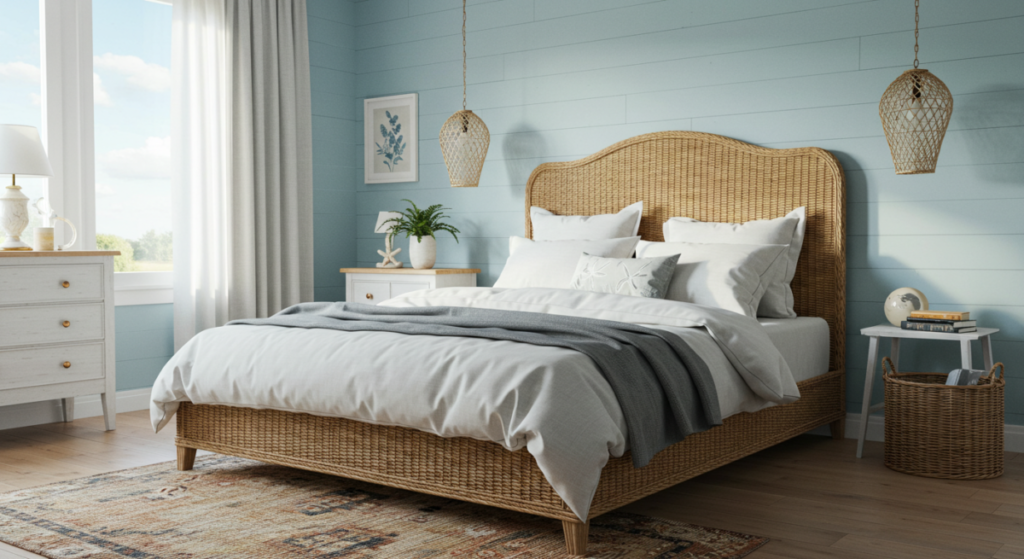
Image credit Bedstar: Coastal themed bedroom décor with a Rattan bed

Green comes a close second for bedroom walls. Its natural connection with the outdoors brings feelings of comfort, peace, and happiness. As Marianne Shillingford, Dulux Creative Director, explains, “Green is perfect for serene bedrooms because of its calming effect and connection with nature.”  Looking for other soothing options? Consider these bedroom-friendly choices: 
  • Soft whites and light greys create a peaceful, clean feel 
  • Light pinks like blush or rose bring warmth and calm 
  • Neutral tones such as beige and taupe offer comfort and elegance 
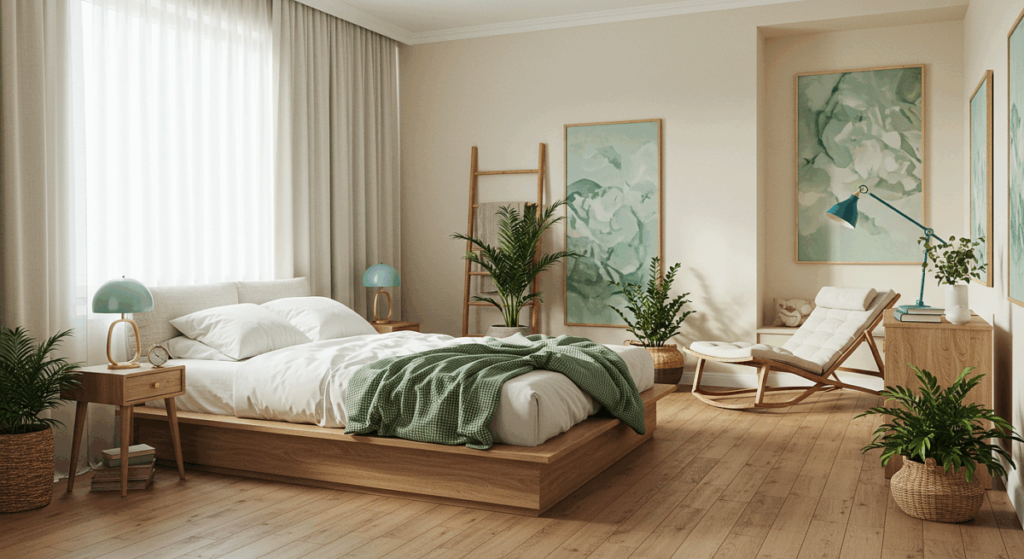
Both pale and deep tones work beautifully. Lighter shades help clear your mind, whilst deeper colours create that cocooning effect that’s perfect for relaxation.  Work with your natural light 

Image credit Bedstar: Gender neutral bedroom décor, natural lighting with a platform bed.

The direction your bedroom faces makes a huge difference to how paint colours appear on your walls. Natural light affects colour perception more than you might realise, so it’s worth considering when choosing your perfect palette.  South-facing rooms receive lovely warm light throughout the day. Soft pale tones work wonderfully here—try blues like Pavilion Blue or Borrowed Light for a calming feel, or warm neutrals such as Joa’s White for added cosiness.  North-facing rooms get cooler light, so avoid colours with blue or grey undertones. Instead, go for yellow-based colours like Yellow Ground, New White or White Tie to bounce light around your space. Or embrace the cooler feel with darker shades like Railings or Down Pipe for a snug, enveloping atmosphere.  East-facing bedrooms get morning sunlight, whilst west-facing rooms catch afternoon and evening rays. Light blues and greens work beautifully with morning light in east-facing spaces. For west-facing rooms, warm tones like Middleton Pink or Setting Plaster make the most of that golden afternoon glow.  Steer clear of stimulating shades  Some colours can actually work against relaxation, no matter how stylish they look. Red tops the list of colours to avoid in bedrooms. This warm colour is linked with excitement, anger, and even stress—research shows viewing red can increase blood pressure and pulse rate. Not exactly what you want before bedtime!  Bright oranges and yellows can feel overstimulating too. Colour expert Tash Bradley notes, “While soft buttery yellows work in bedrooms, bright or neon yellows can feel overstimulating and even anxiety-inducing.”  Other colours to think twice about: 
  • Stark, brilliant white—can feel clinical rather than cosy 
  • All-black rooms—may feel oppressive despite looking dramatic 
  • Bright purples—often spark creativity and imagination, keeping your mind active 
Focus instead on creating what Ashley McCollum, colour expert for Glidden, describes as “a sanctuary perfect for deep rest and relaxation.” Choose colours that soothe rather than stimulate, and you’ll have the perfect foundation for your bedroom retreat.  Choose furniture that works as hard as you do  Your furniture choices can make or break your bedroom sanctuary. Since your bedroom serves double duty as both sleeping space and personal retreat, every piece needs to earn its place through a perfect balance of style, comfort, and clever functionality.  Find the right bed for your space  Your bed isn’t just furniture—it’s the star of your bedroom show. Interior design expert Neale Whitaker emphasises that “it’s important to choose a bed that fits the space comfortably, allowing for wardrobe doors to open and bedside tables and lamps to be accommodated”. Nothing ruins that sanctuary feeling quite like squeezing past oversized furniture every morning.  Here’s what you need to consider when choosing your bed size. Think about who’ll be sleeping in it and measure your room properly first. Standard UK bed sizes start with single (90cm x 190cm) and go up to small double (120cm x 190cm), double bed (135cm x 190cm), king size bed (150cm x 200cm), and super king (180cm x 200cm).   Don’t forget that bed frames are usually larger than the actual mattress size—always check those external dimensions.  Got a smaller bedroom? Platform beds or low-profile frames instantly make your space feel more generous. If you’re blessed with high ceilings, consider a four-poster or canopy bed to draw the eye upward and add drama without gobbling up precious floor space.  Make storage work twice as hard  Smart storage is your secret weapon for maintaining that peaceful, organised bedroom atmosphere you’re after. Ottoman beds are absolutely brilliant, providing “generous internal storage space under the mattress base”—perfect for tucking away seasonal clothes, spare bedding, or those bulky items you need but don’t use often.  Alternatively, beds with built-in drawers give you easy-access storage without stealing any extra floor space. As Patricia Gibbons from Sofa.com points out, “Your bedroom should be a cosy room designed for relaxation and winding down – avoid having too much furniture and make sure you have multifunctional pieces that work extra hard to keep the clutter at bay”.   Consider these clever storage solutions that pull double duty: 
  • Storage ottomans that work as seating whilst hiding magazines, extra cushions, and throws 
  • Bedside tables with drawers rather than simple tabletops 
  • Dressers that double up as TV stands 
  • Fold-away desks or vanities for bedrooms that need to multitask 
For smaller spaces or guest rooms, sofa beds or daybeds offer fantastic flexibility—comfortable seating during the day that converts to proper sleeping space when needed.  Keep your space breathing  Even the most gorgeous furniture becomes overwhelming when there’s simply too much of it. A well-organised, uncluttered bedroom naturally promotes relaxation and calm. Interior design principles suggest leaving at least two feet of space around your bed for comfortable movement.  Scale and proportion matter enormously. Oversized furniture makes small rooms feel cramped, whilst tiny pieces can look completely lost in larger spaces. You want a layout that flows naturally with plenty of room to walk around your bed and easy access to your storage areas.  The best bedroom designs focus on what’s truly essential rather than filling every available corner. Minimalist approaches prove that a “less-is-more” mindset often creates the serene atmosphere that’s perfect for proper rest and relaxation.  Why textures matter in your bedroom  Textures are what turn your bedroom from a basic sleeping space into something that feels properly luxurious. Think about it—you can have the most beautiful paint colour and perfect furniture, but without layers of different materials, your room will still feel a bit flat. The good news? Adding texture is one of the easiest ways to make your bedroom feel instantly more inviting.  Use rugs, throws, and cushions  A gorgeous rug underfoot makes stepping out of bed feel like a treat, especially on chilly mornings. For extra impact, try layering rugs—pop a smaller textured piece over a larger neutral one. It’s a simple trick that adds unexpected depth to your floor space.  Throws are absolute game-changers for bedroom styling. Beyond keeping you cosy on cold evenings, they’re perfect for adding personality to your space. The material you choose makes all the difference: 
  • Wool throws bring traditional comfort and last for years 
  • Cotton works brilliantly for warmer seasons 
  • Fleece gives you ultimate softness with hardly any fuss
What about cushions?  Your bed should look like somewhere you’d love to sink into at the end of a long day. Mix cushions of different sizes and textures for that luxurious, layered look: 
  • Velvet cushions for rich, plush texture • Linen covers for natural, relaxed appeal
  • Knitted pieces for extra visual interest
Mix materials like linen, velvet, and wool  Here’s where the magic happens—combining different materials throughout your room. Smooth fabrics against rougher weaves create that tactile interest that makes you want to reach out and touch everything.  Start with your bedding by layering crisp cotton sheets under a wool blanket and soft duvet. This gives you different textures that make climbing into bed feel special every night. Around the room, try mixing weathered wood furniture with smooth accessories, or pair structured pieces with soft, draped fabrics.  Add curtains or canopies for softness  Floor-to-ceiling curtains don’t just control light—they soften all those hard architectural lines in your room. Thick, lined curtains help with noise and temperature control too, whilst sheer panels filter light beautifully during the day.  Takeaway Tip: Bed canopies aren’t just for fairy tales. Whether you go for full coverage or just partial draping, canopies create a cosy enclosure that makes your bed feel like a proper retreat.  Why lighting matters more than you think  Lighting can make or break your bedroom design. Even the most perfectly painted walls and gorgeous furniture won’t feel right without thoughtful lighting that works throughout your day—bright enough for getting dressed in the morning, soft enough for winding down at night.  How to layer your bedroom lighting  Your bedroom lighting needs to work harder than other rooms. A good lighting scheme uses at least two different types, sometimes three:  Ambient lighting creates the overall mood in your room. Think ceiling-mounted fixtures like chandeliers, pendant lights or recessed spots that spread light evenly and banish harsh shadows.  Task lighting focuses on specific jobs—reading in bed, applying makeup, or choosing what to wear. Table lamps, wall-mounted lights, or directional spots near mirrors give you focused light exactly where you need it.  Accent lighting adds personality and warmth. Fairy lights behind your headboard, LED strips under shelving, or subtle lighting along skirting boards create atmosphere and highlight the features you love most about your room.  Make dimmers your best friend  Here’s one change that will make the biggest difference: install dimmer switches. “Not only does it give you flexibility—from bright and practical lighting when you’re getting dressed to soft, dreamy light as you wind down for the night—but dimmers are also so easy to use,” explains Jo Plant from Pooky.  Plus, dimmers help reduce your energy bills whilst creating the perfect mood for any time of day. It’s a win-win situation that pays for itself.  Get your light positioning right  The placement of your lights affects everything. For bedside reading, “aim for the bottom of the lampshade to sit at around 40-50cm from the mattress,” recommends David Amos, founder of Amos Lighting + Home. “This will provide good illumination for reading in bed, without glaring into your eyes when seated or reclining”.  Takeaway tip: Don’t forget lighting inside wardrobes and around mirrors—you’ll avoid frustrating shadows when getting ready.  For couples with different schedules, consider individual reading lights and path lighting that won’t wake your partner when you’re moving around the room. Your bedroom should work for both of your routines. 

Make it uniquely yours with personal touches 

Now here’s where the magic really happens. Personal touches are what separate a beautifully designed bedroom from a truly special sanctuary. You can have the perfect colour palette and gorgeous furniture, but without those intimate details that reflect who you are, your space will never feel completely yours. 

Surround yourself with meaningful artwork and photos 

The walls around you should tell your story. Research shows that surrounding yourself with personally significant visuals actually reduces stress and lifts your mood—exactly what you want in your bedroom sanctuary. That space above your bed? It’s prime real estate for creating something worth looking at every morning.  Think about framing photos of loved ones or choosing paintings in soothing tones that complement your colour scheme. When you’re selecting artwork, ask yourself: do you prefer photography that captures moments, or abstract pieces that spark imagination? Either way, make sure the colours work with what you’ve already created. 

Create atmosphere with scent 

Your sense of smell connects directly to your emotions, making scent one of the most powerful tools for bedroom ambiance. Candles placed strategically around the room create instant cosiness—try positioning them near mirrors for a layered scent experience or on bedside tables for evening relaxation.  If you prefer something low-maintenance, reed diffusers provide subtle, consistent fragrance without any fuss. Lavender scents promote better sleep, whilst eucalyptus creates that fresh, clean feeling that makes your space feel instantly more luxurious. 
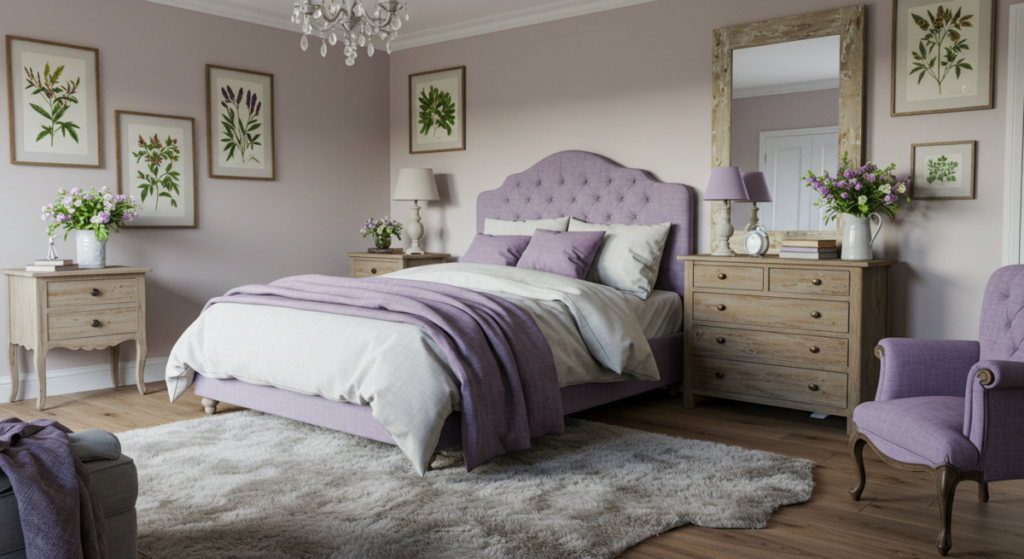
Image credit Bedstar: French chic inspired bedroom décor.

Choose accessories that speak to you 

Every object in your bedroom should earn its place. Beyond photographs, consider framing handwritten letters, displaying travel souvenirs, or incorporating family heirloom pieces that carry stories. These personal elements create the emotional connection that makes your bedroom feel like home.  For smaller bedrooms, floating shelves work brilliantly for showcasing cherished items without eating up precious floor space. Just remember—balance is everything. Too many items create visual chaos that can actually disrupt your sleep, so choose pieces that truly matter to you. 

Your bedroom sanctuary awaits 

Creating your perfect bedroom sanctuary comes down to those five essential elements we’ve explored together: calming colours that help you unwind, furniture that works smart, textures that invite you in, lighting that adapts to your needs, and personal touches that tell your story. When these components work together, they create something special—a space that supports both restful sleep and your emotional well-being.  Your bedroom is so much more than just a place to sleep. It’s where you’re most yourself, where you start each day and decompress each evening. So it makes sense that this space should reflect who you are whilst helping you truly relax. Sure, budget might mean you can’t do everything at once, but focus on what matters most—invest in quality bedding and get your lighting right, and you’ll notice a real difference to how your bedroom feels.  The best bedroom designs strike that perfect balance between what you need practically and what makes you happy. Whether you love clean, minimal spaces or prefer layers of comfort and colour, the goal stays the same: creating somewhere you feel completely at ease.  Ready to get started?  Take a moment to really look at your current bedroom. How does it make you feel right now? Then start making changes bit by bit, focusing first on what will have the biggest impact on your comfort and sleep. You might be surprised—sometimes a fresh colour on one wall, better bedside lighting, or simply clearing away clutter can completely change how your space feels.  Remember, your bedroom sanctuary will grow and change as you do. Don’t be afraid to swap out textures with the seasons, update your personal mementos, or adjust your lighting as your needs change. Your bedroom should always feel like the current you—a personal retreat where you can properly exhale at the end of each day. 

FAQs 

Q1. How can I transform my bedroom into a peaceful sanctuary? Create a calming atmosphere by using soothing colours, incorporating soft textures, and adding personal touches. Consider introducing plants or nature-inspired artwork, using dimmable lighting, and keeping the space clutter-free to promote relaxation and tranquilly.  Q2. What is the ideal layout for a bedroom? The perfect bedroom layout depends on your space, but generally, it’s best to position the bed on a solid wall facing the door, away from windows and the bathroom wall. Ensure there’s enough space to move around comfortably and consider the flow of the room when placing other furniture items.  Q3. Which colours are most suitable for a bedroom? Calming colours like soft blues, greens, and neutral tones are excellent choices for bedrooms. These hues promote relaxation and can help create a peaceful environment conducive to sleep. However, the best colour ultimately depends on your personal preferences and the natural light in your room.  Q4. How can I incorporate different textures in my bedroom design? Layer textures by using a mix of materials such as linen, velvet, and wool in your bedding, curtains, and soft furnishings. Add depth with rugs, throws, and cushions of varying textures. Consider introducing different surface finishes through furniture and accessories to create a rich, multi-dimensional feel.  Q5. What lighting options work best for creating a cosy bedroom atmosphere? Combine ambient, task, and accent lighting to create a versatile and cosy atmosphere. Use dimmers to adjust light levels, and position lights strategically for both function and relaxation. Consider bedside lamps for reading, wardrobe lighting for practicality, and soft, indirect lighting options to create a soothing ambience in the evening. 
The Chequers Bath

This is The Chequers Bath blog, a lifestyle blog mostly focussing on food, travel and general lifestyle posts.

In Home
Previous 4 Ways to Manage Costs This Winter
Next Pumpkin Decorating Ideas That Don’t Involve Carving

Related posts

Creative Storage Solutions for Rental Bathroo...

Fixer Upper House Hunt

Quickstep is the Bedroom Buddy

Quickstep is the Bedroom Buddy

Reader Interactions

Leave a Comment Cancel reply

Your email address will not be published. Required fields are marked *

Primary Sidebar

This is The Chequers Bath blog, a lifestyle blog mostly focussing on food, travel and general lifestyle posts. Feel free to contact me at: hello@thechequersbath.com

Latest Posts

  • Best restaurants in London 2026

    10 Best Restaurants in London You N...

    Food & drink
  • 15 Best Restaurants in Bath: Local Secrets for 2026

    15 Best Restaurants in Bath: Local...

    Food & drink
  • Best UK summer holiday destinations — scenic coastal view

    Best UK Summer Holiday Destinations...

    Travel
Copyright © The Chequers Bath Blog 2022 · Theme by SheShoppes

Copyright © 2026 · Sausalito for Genesis on Genesis Framework · WordPress · Log in

We use cookies on our website to give you the most relevant experience by remembering your preferences and repeat visits. By clicking “Accept”, you consent to the use of ALL the cookies.
Do not sell my personal information.
Cookie SettingsAccept
Manage consent

Privacy Overview

This website uses cookies to improve your experience while you navigate through the website. Out of these, the cookies that are categorized as necessary are stored on your browser as they are essential for the working of basic functionalities of the website. We also use third-party cookies that help us analyze and understand how you use this website. These cookies will be stored in your browser only with your consent. You also have the option to opt-out of these cookies. But opting out of some of these cookies may affect your browsing experience.
Necessary
Always Enabled
Necessary cookies are absolutely essential for the website to function properly. These cookies ensure basic functionalities and security features of the website, anonymously.
CookieDurationDescription
cookielawinfo-checkbox-analytics11 monthsThis cookie is set by GDPR Cookie Consent plugin. The cookie is used to store the user consent for the cookies in the category "Analytics".
cookielawinfo-checkbox-functional11 monthsThe cookie is set by GDPR cookie consent to record the user consent for the cookies in the category "Functional".
cookielawinfo-checkbox-necessary11 monthsThis cookie is set by GDPR Cookie Consent plugin. The cookies is used to store the user consent for the cookies in the category "Necessary".
cookielawinfo-checkbox-others11 monthsThis cookie is set by GDPR Cookie Consent plugin. The cookie is used to store the user consent for the cookies in the category "Other.
cookielawinfo-checkbox-performance11 monthsThis cookie is set by GDPR Cookie Consent plugin. The cookie is used to store the user consent for the cookies in the category "Performance".
viewed_cookie_policy11 monthsThe cookie is set by the GDPR Cookie Consent plugin and is used to store whether or not user has consented to the use of cookies. It does not store any personal data.
Functional
Functional cookies help to perform certain functionalities like sharing the content of the website on social media platforms, collect feedbacks, and other third-party features.
Performance
Performance cookies are used to understand and analyze the key performance indexes of the website which helps in delivering a better user experience for the visitors.
Analytics
Analytical cookies are used to understand how visitors interact with the website. These cookies help provide information on metrics the number of visitors, bounce rate, traffic source, etc.
Advertisement
Advertisement cookies are used to provide visitors with relevant ads and marketing campaigns. These cookies track visitors across websites and collect information to provide customized ads.
Others
Other uncategorized cookies are those that are being analyzed and have not been classified into a category as yet.
SAVE & ACCEPT