
 Physical Security
When you want a bit of extra security, think about:
Physical Security
When you want a bit of extra security, think about:
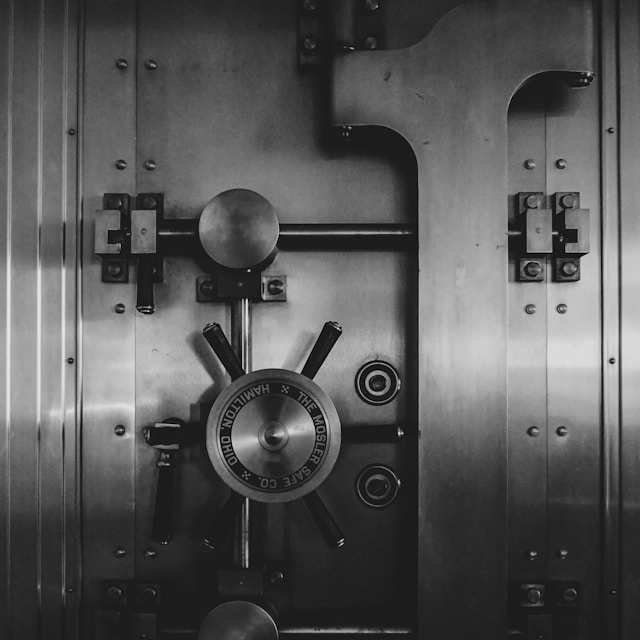
- Safes: Invest in a fireproof and waterproof safe with a strong locking mechanism like a high-security lock or combination. Anchor the safe to the floor or wall so nobody can just make off with the safe itself.
- Safety deposit boxes: Banks offer secure safety deposit boxes for storing valuables. This option is ideal for highly valuable items or those you rarely access.
- Secure display cases: For collections you want to display, consider using lockable cabinets or display cases made from protective materials like acrylic or glass.
- Climate control: Maintain a stable temperature and humidity level to prevent damage from heat, cold, or moisture. Use dehumidifiers or air conditioners or alternatively, if damp is your main worry, look for local self storage where damp levels are carefully monitored.
- Light control: Avoid exposing valuables to direct sunlight, which can cause fading or discoloration. You could use UV-protective filters on windows or display cases.
- Dust control: Regularly clean and dust your valuables to prevent dirt and grime build-up, which can be abrasive and damaging.
- Insurance: Insure your valuables against theft, damage, and loss. Update your insurance policy regularly to reflect the current value of your collection.
- Documentation: Photograph and document your valuables, including details like descriptions, appraisals, and receipts. This documentation will be crucial if you need to file an insurance claim.
- Security system: Consider installing a home security system to deter theft and provide additional peace of mind.
- Location: Avoid placing furniture in direct sunlight, near heat sources (fireplaces, radiators), or in draughty areas. These can cause warping, cracking, and fading. Ideally try and maintain an even temperature of around 18 – 21C, with a humidity of 50%. Dehumidifiers can help.
- Dusting and Cleaning: Regularly dust with a soft, dry cloth. Avoid harsh chemicals or polishes, as they can damage the finish. For deeper cleaning, use a barely damp cloth well wrung out with water only. Dry the wood immediately with a soft cloth. Don’t try and ‘wash’ the wood and take care to immediately dry off any dampened areas.
- Cleaning: Waxing: Apply a high-quality paste wax (like beeswax) once or twice a year to nourish the wood and protect the finish. Buff lightly with a soft cloth.
- Spills & Stains: Act quickly to clean up spills. Blot with a clean, absorbent cloth. Never rub, as it can spread the stain. For water damage, contact a specialist.
- Loose Joints & Wobbly Pieces: Tighten loose screws and joints gently. Don’t over-tighten, as it can strip the wood. For major repairs, consult a professional furniture restorer.
- Upholstery: Regularly vacuum upholstery and avoid harsh cleaning methods. For deep cleaning or repairs, seek professional help.
- Identify the Wood: Knowing the type of wood helps determine the best cleaning and care methods.
- Rotate Furniture: Occasionally rotate furniture or move it to a different part of the room to expose different areas to light and prevent uneven fading.
- Paintings: Keep out of direct sunlight. Gently dust with a soft, dry cloth. For oil paintings, avoid touching the surface as skin oils can damage the paint. Consider professional cleaning every 10-20 years.
- Works on paper: Acid in paper can damage artworks so always store them in acid-free folders or boxes. Handle with care as they are prone to tearing and damage. Avoid framing with acidic materials.
- Sculptures: Dust with a soft brush or microfibre cloth. For metal sculptures, use metal polishes designed specifically for the material. For wooden sculptures, follow recommendations for antique furniture care.
- Textiles: Store rolled or folded loosely in acid-free boxes or bags. Avoid direct sunlight and moisture. Consult a textile conservator for cleaning and specific care instructions.
- Photographs: Store in acid-free folders or archival boxes. Handle with gloves and avoid touching the image surface. Digitise photographs for backup and preservation.
- Light: Limit exposure to direct sunlight, a major cause of fading and discolouration. Employ UV-protective filters on windows or display cases.
- Cleaning: Never use harsh chemicals or water directly on artwork. Consult a professional conservator for cleaning recommendations specific to the medium.
- Framing: Use acid-free materials for frames, mounts, and backing boards to prevent damage from acidic components.
- Storage: Store artwork in cool, dry, dark locations away from dust and pests. Use acid-free boxes and archival materials for storage. Smaller units such as lockers are ideal for storing collectables or paper-based items when you don’t need an entire unit.

This is The Chequers Bath blog, a lifestyle blog mostly focussing on food, travel and general lifestyle posts.
In Lifestyle


Leave a Comment